
In This Story
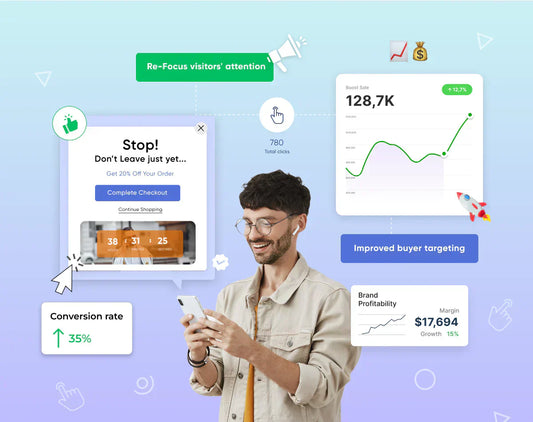
If you have a Shopify store, you know how frustrating it is to see people leave things in their carts. You put money into Meta ads to get people to visit your store, you make good pictures and words to catch their attention, and you make your product pages look great. People come to your Shopify store, they look around, and they add things to their cart. Then they just leave.
For Direct-to-Consumer brands, the checkout page is where everything becomes real. This is the moment when people who want to buy something actually have to pay for it. In 2025, the biggest problem for Direct-to-Consumer brands is that people are surprised by the price of the things they want to buy.
This is where Buy Now Pay Later has become really important. Buy Now Pay Later is not a way to pay for things; it is a way to help people buy things from websites. It plays a role in how online shopping works, especially for companies that sell things directly to customers and have to compete with a lot of other companies.
If you are still thinking about whether it's worth sharing your profit with Shop Pay Installments, Klarna, or Afterpay, then this guide is for you. We will look at the reasons why people use Buy Now Pay Later services, the numbers that show it actually works, and how you can start using these services without hurting your business.
The Psychology of the "Split"
To figure out why Buy Now Pay Later boosts the number of sales, you have to know how people think when they are spending money. Buy Now Pay Later is really good at getting people to buy things because it changes the way people think about spending.
When you are shopping, and you see a pair of boots that costs two hundred dollars, you think about what you could buy with that money. You think that two hundred dollars is two hundred dollars you will not have to spend on food, gasoline, or your apartment rent. This makes it hard for you to pay for the boots. The price creates a problem in your mind that slows you down or even stops you from buying.
Now contrast that with:
"4 interest-free payments of $50."
The product is still the same. What people think about the product has changed.
The customer does not think about the price of $200. They think about the price of $50. This price feels like something they can handle. It is similar to what they pay for things like a utility bill or a subscription payment. When the customer thinks about $50 instead of $200, it makes things a lot easier for them.
Key psychological effects at play:
Anchoring The brain does this thing called anchoring. It is when the brain focuses on the payment, not the total amount that the payment is for. This means the brain looks at the installment like a monthly payment, and that is all it sees.
Cash Flow Comfort Paying over time feels less painful than a single large hit.
Risk Reduction When people buy something for the first time, Risk Reduction is important. Spending fifty dollars to try out a brand is a lot safer than spending two hundred dollars. It is like testing the water before jumping. In this case, it is about trying a brand without committing a lot of money upfront.
Buy Now Pay Later makes people feel safer when they buy things from a company they do not know. It turns a purchase into a smaller commitment that people can manage.
People do not have a lot of money saved up in the United States. They also have a lot of debt from their credit cards. BNPL helps people buy the things they want now. They do not have to wait for their paycheck.
The Data: Why DTC Brands Are All In
The study of psychology does not pay the bills for a warehouse. Luckily, the Buy Now Pay Later system is supported by results from the past.
Across ecommerce in 2025, the numbers are consistent:
Higher Average Order Value (AOV)

Merchants who offer Buy Now Pay Later see the amount people spend go up by thirty to fifty percent. This happens because when customers break up the cost into payments, it does not feel like a lot of money to add a few extra things, like accessories or upgrades.
Lower Cart Abandonment
When people are shopping online, they often change their minds at the last minute. Buy Pay Later options can reduce the number of people who leave their carts behind by up to 28%. This is because financing gives people more time to pay, which removes the shock of seeing a high price when they are checking out.
Higher Conversion Rates

Klarna says that merchants who use their checkout solutions have 30 to 35 percent of people buying things from them. When shoppers can pay in ways they prefer, they are more likely to complete their purchases.
The Gen Z & Millennial Effect

Ninety percent of the people who use Buy Now Pay Later are young people, either Gen Z or Millennials. To these shoppers, old-style credit cards seem unsafe, but Buy Now Pay Later seems like a better plan because it is clear and easy to manage.
When you are selling things to people who are under the age of 40, Buy Now Pay Later is not something you can choose to do or not do. People in this age group expect to have this option.
The Big Three: Shop Pay vs. Klarna vs. Afterpay

If you are using Shopify, you probably have access to all three of them. Each plays a role.
1. Shop Pay Installments
If you are using Shopify, this should be your move.
-
Native Shopify integration: People are not redirected to another website. Customers stay on your site.
-
Speed: The website uses pre-saved customer information to speed up the checkout process.
-
Backed by Shopify's brand trust: Lots of people who shop online already use Shop Pay. This makes buying things a lot easier for them.
Best for: Every Shopify store. This should be your baseline.
2. Klarna
Klarna is not just a company that helps you pay for things. Klarna is actually a place where you can find things to buy. It is a discovery platform.
Klarna has a shopping app, and it also helps brands promote themselves. This means Klarna is actually sending people to the stores that work with them. You are attracting new customers to your store through Klarna.
Key advantages:
-
"Pay in 4" and "Pay in 30 days" options.
-
Try-before-you-buy appeal.
-
Longer-term financing for higher-ticket items.
-
Exposure to Klarna's user base.
Best for: Brands that sell products that are a bit pricey and want to get their products seen by a lot of people.
3. Afterpay
Afterpay is really popular in the world of fashion, beauty, and lifestyle. Afterpay has become a part of the culture in these industries.
A lot of people who shop around actually look for stores that accept Afterpay. They see the Afterpay logo and think it is a good sign. For these stores, Afterpay does not just help people pay for things; it makes the store seem trustworthy.
Best for: Fashion, beauty, and lifestyle brands targeting Gen Z and younger Millennials.
Honorable Mention: Affirm
When you are buying things that cost more than one thousand dollars, like furniture, electronics, or equipment, Affirm is really good. Affirm helps people buy these products by letting them pay for them over time, from six months to two years.
Strategic Implementation: Don't Hide the Button
People who start companies often make a mistake with Buy Pay Later: they do not show it to customers until they are checking out. The problem is that some customers have already left the website because they were not sure about the price.
Buy Now, Pay Later needs to be visible before the customer decides to buy.
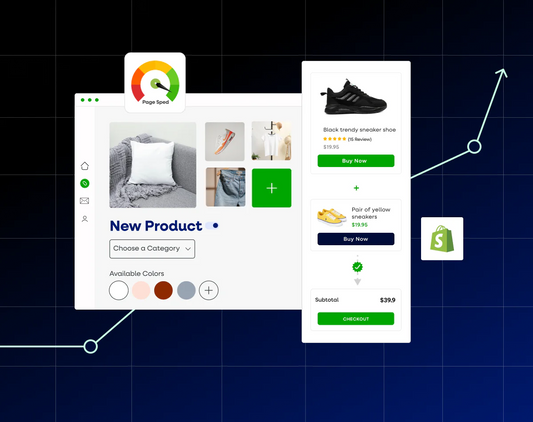
1. Product Page Show installment pricing directly under the main price: "$100 — or 4 interest-free payments of $25 with Klarna." This changes how people think about prices before they even put something in their shopping cart.
2. Cart Drawer Reinforce the message: "Subtotal: $200 (or $50/mo)." Consistency is really important because it builds confidence.
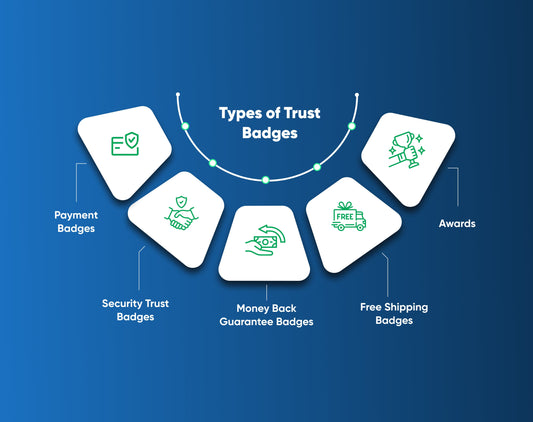
3. Trust Badges You should show the logos of Shop Pay, Klarna, and Afterpay at the bottom of your website. This shows people that you are flexible and that your website is real.
4. Marketing Campaigns Buy Now Pay Later is a way to get more people to buy things from you.
-
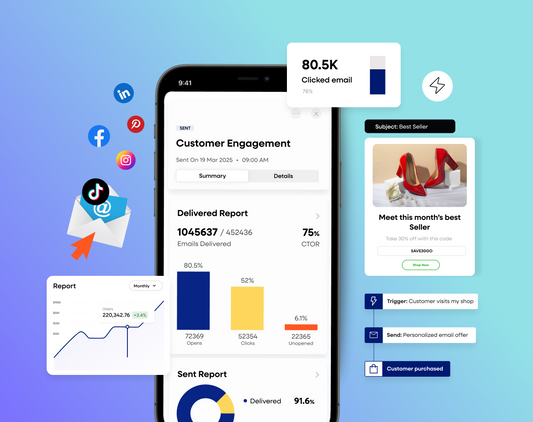
Abandoned cart emails: "Get this today for just $25 upfront."
-
Retargeting ads: "Own the look for $35/month."
Installment-based messaging usually works better than messages that you have to pay for all at once.
The Elephant in the Room: Fees
BNPL fees are higher than standard card processing.
-
Credit cards: ~2.4% + $0.30
-
BNPL: ~5–6% + $0.30
This makes a lot of founders stop and think. Focusing on the fees is not a good idea because it does not take into account the bigger picture.
The Math of Unit Economics
What really matters is not the fees, but the incremental profit that the company makes from each sale.
Scenario A: No BNPL I have 10 orders. Each order is worth one hundred dollars. Total revenue is one thousand dollars. Card fees (~2.5%) = $25 Net: $975
Scenario B: BNPL Enabled I have twelve orders. Each order is worth one hundred and thirty dollars. Total revenue is one thousand five hundred and sixty dollars. BNPL fees (6%) = $93.60 Net: $1,466.40
Yes, fees are higher—but profit is nearly $500 more. The six percent fee is what it costs to get customers who would normally leave.
Risks and Best Practices for 2026
Buy Now Pay Later is really powerful, but people have to be responsible when they use it.
1. Don't Offer It on Tiny Carts
When you are buying something that does not cost much, like a pair of socks that costs fifteen dollars, avoid using Buy Now Pay Later. The fees can take away from the money you make. You should set a minimum amount, usually around fifty dollars.
2. Be Transparent
The people in charge are keeping an eye on Buy Now Pay Later services. You should use providers that are upfront about the rules.
3. Watch Returns
When people buy clothes, they like to try them on first. This "try before you buy" behavior means they might return the clothes 5 to 10 percent of the time. You need to make sure you have a good system for handling the returns.
Final Thoughts
In DTC, standing still means falling behind.
In the year 2025, people who go shopping want flexibility and safety. They want control over the money they have. BNPL gives people all of these things.
Using Shop Pay, Klarna, or Afterpay is not about giving people another way to pay for things. It is about making things easier for people when they are trying to buy something. It turns the phrase "I do not have money for that" into "I can have that".
If BNPL isn't enabled on your Shopify store, you're leaving money on the table. Start with Shop Pay Installments, then test Klarna or Afterpay based on your audience and product mix.