
In This Story
Seeing carts abandoned is like watching cookies burn in the oven: painful and preventable. The thing is, no matter how slick your store looks, if shoppers don’t trust you, they’ll click away.
According to the Edelman Trust Barometer, nearly 80% of shoppers say they must trust a brand before buying from it. That means your marketing, design, and pricing don’t matter much if credibility isn’t there.
Thus, building trust isn’t optional it’s your most valuable conversion lever. A store that feels honest and reliable can outsell a flashier competitor every time. In this guide, you’ll learn 12 proven ways to build credibility and social proof from reviews and expert endorsements to transparent brand storytelling that help turn casual browsers into loyal believers.
What Is Social Proof (and Why It Matters for CRO)
Social proof means showing shoppers that other people believe in your brand. It’s validation from others proof that your product works, and people love it.
As humans, we naturally look for reassurance before making a decision. If others approve, we’re more likely to follow. That’s called the bandwagon effect, and it drives a huge part of online buying behavior.
When shoppers see others reviewing, sharing, and recommending your product, it creates confidence. And as you add layers of credibility like trust badges, verified reviews, and expert mentions hesitation drops. Thus, your conversion rate rises, not because you pushed harder, but because people feel safer buying from you.
The 12 High-Impact Ways to Build Trust & Social Proof
3.1. Star Ratings & Visual Reviews: The CRO Power Duo

A 4.5-star product converts 30–40% better than one with no ratings. That’s because ratings act as social proof that people can instantly process. And if reviews include real photos or videos, authenticity multiplies.
Encourage customers to leave reviews right after purchase using email or WhatsApp automation. Then display badges like “Verified Buyer” to show reviews are legitimate.
Thus, your product pages tell a story customers can trust — not just one you wrote, but one built by your community.
3.2. Influencer & Celebrity Testimonials

When influencers or celebrities vouch for your brand, their credibility transfers to you. Yet, not all influencers work the same way. Micro-influencers, for example, often drive higher engagement because their followers see them as authentic, not promotional.
If you collaborate with influencers, disclose it clearly. That honesty keeps your brand real. Then, feature their testimonials whether a quote, photo, or short video across your product pages, social ads, and email campaigns.
When done right, influencer trust feels earned, not bought.
3.3. UGC (User-Generated Content) Strategy

Real customers are your best marketers. And their photos, reviews, and videos tell the truth money can’t buy. As shoppers scroll through Instagram or TikTok, they believe genuine users more than branded ads.
Embed customer-generated posts directly on your product pages. Add a “Shop the Look” or “Real Results” carousel that highlights how others use your products.
Encourage your customers to tag you on socials or use a custom hashtag for a chance to be featured. Then, reward participation with small incentives like discount codes. UGC not only builds trust it also boosts time on site and engagement, which the algorithm loves too.
3.4. Turn Customers into Conversions with Case Studies

Storytelling always sells. When you show how your product helped a customer solve a real problem, you replace doubt with belief.
Use a simple structure like Challenge → Product → Result → Proof. For instance: “How one customer cleared acne in four weeks with X Serum.”
Add metrics, screenshots, or before-and-after visuals to make the story real. Thus, you give potential buyers concrete proof, not vague promises. Next, feature these case studies in your blog, email newsletters, or product pages. Each story becomes a mini conversion engine.
3.5. Product Certifications & Compliance Badges

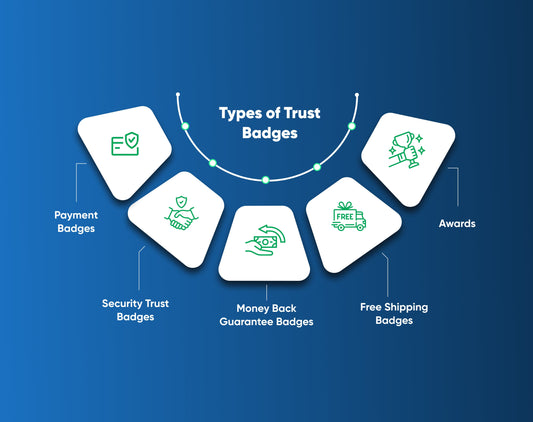
Badges like FDA Approved, Cruelty-Free, or Organic Certified act as instant trust shortcuts. They show your brand meets specific standards.
Placement also matters a great deal. Display badges near your “Add to Cart” button or within your PDP highlights. That’s where shoppers make buying decisions.Verify all certifications carefully. Fake or exaggerated claims can ruin credibility faster than having none at all.
When done right, a few small icons can quietly do the work of a thousand words.
3.6. Secure Checkout Badges & Trust Seals

Checkout fear is real. Many shoppers abandon carts because they worry about payment safety or fraud.
Add visible security badges like SSL Secure, Norton Secured, or PayPal Verified near your payment options. Combine them with familiar logos like Visa, Mastercard, or UPI for reassurance.
Then, A/B test their placement sometimes just moving a seal closer to the “Pay Now” button can lift conversions significantly. If your checkout feels safe, people won’t think twice about completing their order.
3.7. Risk Reversal: The Money-Back Guarantee

People always buy faster when the risks feel low. And a simple "30-day money-back guarantee" or “Free returns, no questions asked” statement can remove this hesitation or doubts instantly.Create your guarantee copy carefully. Make it clear, honest, and easy to understand. No fine print. No loopholes.
As shoppers realize they can return the product if it doesn’t work, they feel confident to buy. And that confidence directly drives sales. Thus, risk reversal doesn’t just protect the customer it also protects your conversion rate.
3.8. Press Mentions: The Authority Factor

When media outlets feature your brand, it acts like a seal of approval. “As seen in Vogue” or “Featured on Forbes” instantly signals credibility.
Add press logos on your homepage, hero banner, or PDP sections. Link them to actual articles for full transparency.
Press mentions work especially well for new or premium DTC brands that need instant authority. If credible sources have already validated you, let shoppers see that proof right away.
3.9. Expert Endorsements

Endorsements from professionals dermatologists, trainers, chefs, or tech specialists create “borrowed authority.” Video testimonials from experts often outperform static quotes because they feel personal and unscripted.
Display expert credentials clearly, such as their title or experience. Thus, shoppers know it’s genuine expertise, not a marketing gimmick. For example, a “Dermatologist Approved” tag on a skincare line can make hesitant buyers feel instantly secure.
3.10. Transparent “About Us” & Founder Story

Modern consumers buy from people, not faceless stores. Share your journey — how your brand started, what you believe in, and what problems you’re solving. Add photos, behind-the-scenes videos, or a founder timeline. This builds emotional connection.
When customers really connect with your story, they’re not only buying a product but also supporting your mission.And that connection boosts retention because people stay loyal to brands they relate to.
3.11. Community Proof: Followers & Engagement

Community equals credibility. When people see a good amount of following, they believe your brand is trustworthy. Show social stats like “Join 50K+ happy customers” or embed your live ]
Instagram feed. Highlight engagement comments, tags, and shoutouts — as social validation. When your audience feels part of something bigger, they become repeat buyers and advocates. Thus, a visible, active community also becomes your best trust signal.
3.12. The Power of Scale

Numbers speak louder than slogans. When you say “Trusted by 200K+ customers” or “1.2M orders delivered,” you set a foundation of reliability. Yet, be precise and honest — inflated numbers can backfire. Pair big stats with real proof, like satisfaction percentages or reorder rates.
Thus, your credibility feels measurable, not manufactured. When shoppers see real scale backed by evidence, they trust your brand more and buy with confidence.
What to Avoid When Building Trust Signals
Not all trust tactics work — some can harm your brand if misused. Fake reviews or manipulated ratings erode credibility fast. And if your product pages are cluttered with too many badges or icons, it can overwhelm shoppers.
Avoid generic testimonials such as “OMG ,I Love this product!” because they don’t say anything real. Always keep your tone consistent across platforms. Make sure it sounds human and not overly promotional. Remember that authenticity beats perfection every time.
Building a Sustainable Trust Framework
To make trust part of your long-term system, follow these steps:
- Audit your current trust signals across your homepage, PDPs, and cart pages.
- Collect authentic UGC, verified reviews, and real media mentions.
- Prioritize quality visuals and proof over volume. One strong review beats ten weak ones.
- Test placement and wording using CRO tools.
- Refresh regularly outdated proof feels irrelevant and can even reduce credibility.
Next, track the data. See what improves your click-through rates, conversions, and retention. Trust isn’t static it’s something you nurture continuously.
If building that system feels overwhelming, Nivara can help.
We’ve helped 1,000+ eCommerce brands design trust frameworks that drive measurable growth turning credibility into a consistent conversion advantage.
Conclusion: Trust Converts — But Authenticity Retains
Trust may win the first sale, but authenticity wins every repeat purchase. Every touchpoint from your packaging to your customer support shapes how credible your brand feels.
When shoppers truly believe in your brand, they don’t just buy once; they stick around.Thus, trust isn’t just a marketing strategy it’s your business foundation. Build it honestly, prove it consistently, and your conversions will naturally follow.