
In This Story
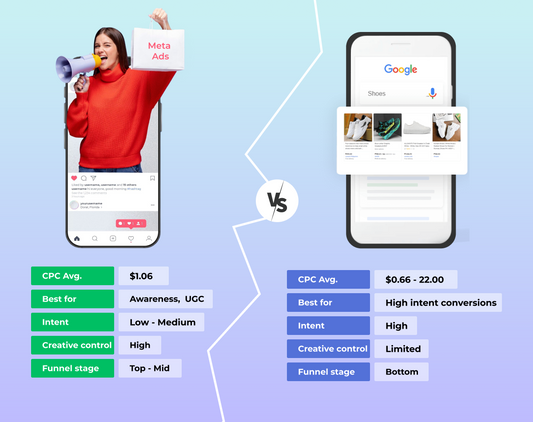
The old DTC playbook to run ads, drive traffic, push discounts is collapsing badly. CAC is rising, competition is tougher, and consumers trust real people more than polished campaigns. Today, the brands that win aren’t shouting the loudest… they’re building communities.
Community isn’t just a marketing tactic. It’s a durable engine for conversions, loyalty, and long-term retention. When customers feel like they’re part of something meaningful, they don’t just buy more — they advocate for you.
Let’s break down exactly how community drives revenue and how any eCommerce brand can leverage it starting today.
The Psychology Behind Brand Communities and How It Directly Impacts Revenue
Community isn’t built on discounts or gimmicks ,it’s built on human psychology. Here’s what drives customers to stick, stay, and share.
1. Tribal Behaviour
Humans naturally gravitate toward groups where they feel understood. When your brand stands for a lifestyle, belief, or transformation, you’re not selling a product — you’re offering a tribe people want to belong to.
2. Social Proof & Identity Signaling
People really want to connect with brands that show how they see themselves or how they want to be seen. A skincare glow-up, a fitness transformation or a daily wellness routine… these moments become big identity statements that customers proudly share on their socials.
3. Familiarity Bias
The more often someone interacts with your brand (emails, groups, comments, community posts), the more they trust you. Community multiplies these touchpoints and accelerates trust.
4. Why Community-First Brands Outperform Ad-First Brands
Ad-first brands need a constant budget to survive. But Community-first brands grow even without ads because connection scales organically.
And here’s how that translates into revenue:
-
Lower CAC: Peers sell better than ads. Word-of-mouth, referrals, UGC, and community recommendations cut acquisition costs dramatically.
-
Higher AOV: Loyal customers buy bundles, subscriptions, and new launches — without hesitation.
-
Better Retention: A connected customer has a reason to return. Retention cycles become predictable and consistent.
-
Increased UGC: Community members create content naturally — discovery posts, unboxing, reviews — giving you endless assets for ads, PDPs, and emails.
-
SEO Lift: More branded searches, discussions, and long-form Q&A boost organic visibility without effort.
Community is not a cost. It’s one of the highest-ROI growth engines in modern eCommerce.
High-Impact Community Tactics for eCommerce Brands
Now let’s get tactical. Listed below are proven, repeatable ways that can build a community that fuels conversions and loyalty.
1. Invite-Only VIP Clubs

Exclusivity is one of the most effective psychological triggers in eCommerce. A well-built VIP club makes customers feel seen, valued, and part of something exclusive and special. This unlocks repeat purchases and deep loyalty faster than any discount ever can.
What to offer:
-
Early access to new drops
-
First-in-line restock priority
-
Private bundles or member-only SKUs
-
Anniversary rewards & surprise gifts
-
Personalized “You’ve unlocked VIP status” automations
2. Private Social Groups (FB or Discord)

A private community gives buyers a safe, intimate environment to connect with each other. When customers share their wins, progress, and experiences in a closed group, they build trust not just with the brand — but with one another.
Weekly posting ideas:
-
Wins & progress updates
-
Product tips & tricks
-
Behind-the-scenes moments
-
Polls to gather customer insight
-
Q&A threads for support and guidance
3. UGC Challenges

UGC challenges turn your customers into your content engine. When people publicly share their routines, transformations, or unboxings, your brand gains authenticity and massive organic reach.
Challenge formats that work:
-
30-day transformation / consistency challenge
-
“What’s in my routine?” product breakdown
-
Unboxing moments & haul videos
-
Review snapshots or “Day 1 vs Day 7” photos
Incentives:
-
Store credit
-
Feature spotlight
-
Exclusive badges
-
Leaderboard rewards
4. Live Shopping Events

Live commerce brings everything from energy and urgency, to human connection into the shopping experience. A strong format backed by live offers drives impulse purchases and deepens relationship-building.
Winning script structure:
-
Hook-why they should watch
-
Demo-show the product in real use
-
Proof-testimonials, results, UGC
-
Offer-bundle, discount, or limited-time deal
-
Scarcity-limited stock, timer, early-bird
-
Upsell-complementary products
Run this script repeatedly and you'll build a loyal, recurring audience.
5. Q&A Sections on PDPs

Community-powered Q&A sections act as real-time social proof. When buyers see real users answering real questions, trust skyrockets almost instantly.
Benefits:
-
Boosts purchase confidence
-
Removes last-minute doubts
-
Reduces return rates
-
Creates SEO-rich, indexable content
-
Shows authentic, unfiltered customer experiences
6. Gamified Loyalty Dashboards

Gamification turns repeat purchases into a fun, dopamine filled loop. When customers can “level up,” earn points, and unlock rewards, they shop more frequently just to progress.
Gamified elements that work:
-
XP points for actions
-
Daily or weekly streaks
-
Missions & challenges
-
Tier badges
-
Surprise unlocks and mystery rewards
Progress bars = more purchases to “complete the bar.”
7. Co-Creation & Customer-Led Development

Co-creation is the ultimate form of community involvement. When customers influence what you launch, they feel ownership — and they support the product long-term.
Ways to co-create:
-
Vote for your next flavor or fragrance
-
Choose packaging design options
-
Help name the next SKU
-
Join subscription bundle vote-offs
-
Become beta-testers for upcoming products
Co-creation builds emotional investment that no ad can replicate.
Turning Engagement Into Advocacy
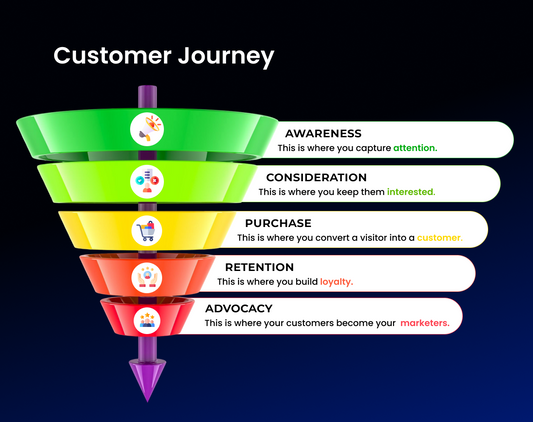
Community gives you engagement. The goal is to turn that engagement into advocacy — customers who voluntarily promote your brand.

1. Identifying Superfans
Your top 1–5% of customers are already showing you who they are. They comment, reply, participate in challenges, and purchase repeatedly. These are the customers emotionally connected to your brand — the ones most likely to champion it publicly.
What to look for:
-
Frequent commenters and reactors
-
Customers who post UGC consistently
-
Repeat buyers and subscription loyalists
-
Members active in private groups
-
People who tag your brand without prompts
Superfans are your built-in marketing team — they just need direction.
2. Ambassador Programs
An ambassador program formalizes advocacy into a structured engine. When you give superfans the tools, incentives, and spotlight they deserve, they willingly promote your products in an authentic, scalable way.
What to offer:
-
Commission-based referral links
-
Free products for testing or showcasing
-
Monthly challenges or content themes
-
Exclusive feature spotlights on your socials
-
Private ambassador-only events or calls
You turn engagement into reach and reach into revenue.
3. Referral Ecosystem
Referrals work best when sharing feels effortless. A strong referral system turns happy customers into acquisition channels, but only if the rewards are compelling enough to spark action.
How to build it:
-
Simple, frictionless sharing experience
-
Clear rewards (store credit, VIP points, free products)
-
Personalized referral codes
-
Post-purchase prompts like "Share your experience & earn…”
-
Automated follow-ups to encourage sharing
Meaningful rewards beat generic points every single time.
4. Creating Shareable Moments
People share feelings, not products. When customers feel genuinely appreciated, they amplify your brand organically. These small, thoughtful gestures create emotional moments that ripple outward into word-of-mouth growth.
Share-triggering moments:
-
Handwritten “Thank You” notes in packages
-
Personalized thank-you videos from your team
-
Surprise product samples in orders
-
Anniversary gifts for long-term customers
-
Early access invitations for top supporters
These micro-experiences are low cost — but have massive impact on loyalty and advocacy.
Real-World Examples: Brands Winning With Community
1. Glossier — Co-Creation as a Growth Engine

Glossier was built by its community before it ever sold a product. Their blog, Into The Gloss, served as a huge crowdsourced focus group . There readers shared routines, product gaps, and skincare frustrations. Glossier turned this feedback directly into products like the Milky Jelly Cleanser and Balm Dotcom, making customers feel like co-creators rather than buyers.
Why it works:
-
Customers see their input shaping real products
-
UGC (before/after photos, routines) becomes the marketing
-
Community pride turns into organic advocacy
At its peak, 70% of Glossier’s online sales came from peer referrals, proving how community can outperform paid acquisition.
2. Starbucks — Gamified Rituals That Drive Daily Engagement

Starbucks turned its loyalty app into a community hub built through routines, gamification, and personalization. Members earn “Stars,” unlock challenges, get custom drink recommendations, and participate in limited-time quests that make the experience addictive.
Why it works:
-
Everyday routines become habit loops
-
Customers feel rewarded for consistency
-
App creates community-wide challenges and shared experiences
Starbucks reported that its active Rewards members generate 59% of U.S. revenue and are 5.6× more likely to visit daily compared to non-members.
3. Lululemon — Identity-Based Micro-Communities

Lululemon built a tribe-first brand through local ambassadors, in-store events, and fitness micro-communities. Instead of pushing products, they built the “sweatlife” — a shared lifestyle customers want to be part of. Their stores double as community hubs hosting free classes, run clubs, and wellness workshops.
Why it works:
-
Community is tied to identity and lifestyle
-
Local ambassadors create hyper-authentic connection
-
Customers become participants, not just shoppers
This community-first model helped Lululemon get 18% growth in comparable sales in a single fiscal year, pushing annual revenue beyond $3.3B.
Conclusion: Community Is Your Durable Advantage
Ads can fluctuate. Algorithms can change overnight.
But a loyal community outlasts every platform shift.
Community:
-
Lowers acquisition costs
-
Increases retention
-
Multiplies LTV
-
Generates endless UGC
-
Turns customers into ambassadors
Start small. Create simple interactions. Celebrate your customers consistently.
When you build community deliberately, you don’t just grow a brand — you build a movement. And movements scale forever.