
In This Story
You've got good traffic. Your ads are working. Clicks are coming in, but something still feels off: cart abandonment is high. Checkout drops are killing you. Thousands of people land on your pages, but a few dozen are converting. If this sounds like your ecommerce store, you're not alone. One of the factors that your store is facing this problem could be the pricing strategy, a core part of CRO (conversion rate optimization).
Pricing is the underrated strategy of eCommerce growth. It is the first thing that a customer checks out while viewing your page. Sure, factors like page speed, design, UI/UX, and storytelling definitely play an important role in the buyer journey. But in the end, it's the pricing which makes them click on 'buy now' —and ultimately drives conversion rate for ecommerce.
In 2025, when ad costs are rising and consumer expectations are skyrocketing, pricing strategy may very well be what determines winners and losers. Especially for brands serious about eCommerce optimization.
Let's get into how you build a conversion-driven pricing architecture—with offers, tiers, and risk reversal—so buying feels like a smart decision for your customers … and a great one for your profits.
1. Why Pricing Strategy Is the Underrated Hero of eCommerce Growth
Most eCommerce stores don't have a traffic problem — they have a conversion problem. Visitors come, browse, and leave without buying. The missing piece? Perceived value and trust.
Pricing isn't just a number — it's a signal. The way you structure and present price shapes what customers believe is a "smart" decision. Tiers like Basic / Pro / Premium create anchors that make your mid-tier feel like the logical choice. Bundles or "Buy More, Save More" offers make spending extra feel rewarding, not expensive. It is a key principle used by every CRO agency and top conversion rate optimization companies.
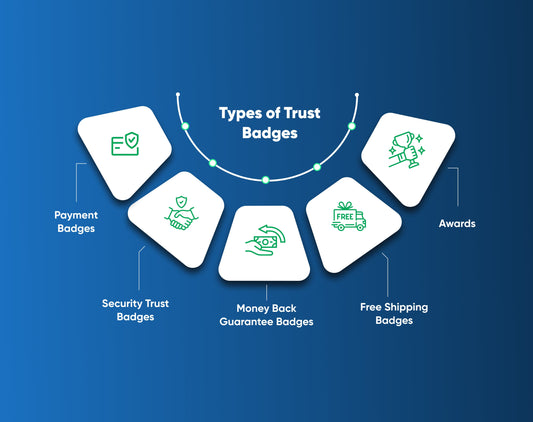
Customers buy when they trust the value behind the price. Confusing tiers, hidden costs, or weak guarantees kill that trust instantly. Studies show that 92% of customers read online reviews before purchasing, and adding trust badges or guarantees can lift conversions by 25–30% (Growett, Yieldify). A simple money-back guarantee badge has increased sales by over 30% in some tests.
That's why pricing is both psychological and strategic. The buyer is going to hesitate if it's not done properly. When done right, it boosts AOV, conversion rates, and retention all without slashing the prices.
2. What Is a Conversion-Driven Pricing Strategy?
Conversion-driven pricing is much more than cost-plus formulas. It combines factors like psychology, data, and user experience.
- Psychology: Using anchoring, scarcity, and goal-gradient effects ("Add $10 more to unlock 15% off").
- Data: Tracking what customers respond to — price thresholds, bundle success, drop-off points.
- UX: Making pricing pages clean and transparent; showing what's included, what's extra, and what guarantees apply.
It’s the exact pricing approach most conversion rate optimization specialists use during audits and experiments.
The goal here is to make buying feel like the smartest, lowest-risk decision that a customer can make.
3. Why Pricing Matters More Than Ever in 2025
With constantly rising ad costs and shrinking margins, every visitor counts. Modern consumers expect clarity, value, and transparency more than anything. A confusing or risky offer doesn't just lose the sale — it loses trust.
In 2025, pricing isn't just about acquisition — it's about retention. When customers feel they're always getting fair, visible value, they don't just buy once — they stay. And because repeat customers convert up to 9× more, pricing clarity becomes a core lever inside every conversion rate optimization checklist.
4. Key Components of a High-Converting Pricing Strategy
Here's where the strategy gets practical. These are the real strategies that shape how customers decide, how much they spend, and how easily they buy.
4.1 Offer Architecture

Start with your offer itself — what you sell together, how it's framed, and how it feels like a smart deal.
-
Bundles & Kits
Pair complementary products — say, a main product with an accessory or refill — and price the set slightly below what it would cost separately. It's a simple move that lifts Average Order Value (AOV) and clears slower inventory without feeling like a discount push. -
Tiered Discounts
Structured offers such as "Buy 2 → 10% off" or "Buy 3 → 15% off" encourage customers to add more to the cart. Some retailers have seen around a 22% increase in AOV using this method. -
Free Shipping Thresholds
The classic "Spend $100 more to get free shipping" still works. It quietly motivates people to top up their carts. One more item, one more win. -
Limited-Time Offers
Flash sales or BOGO deals drive quick conversions when used strategically. The key is moderation. Do this too many times and your regular prices will start to lose credibility.
Bundles, tiered discounts, free shipping thresholds, limited-time offers — all of these are classic ecommerce conversion optimization tools.
4.2 Subscription & Continuity Models

Subscription models combine two things customers love — savings and convenience. If your product is something that people buy repeatedly, make sure that reordering is an effortless experience. To do that, you can offer auto-delivery, timely reminders, and small perks for members. Try adding loyalty pricing, early access, or subscriber-only benefits. Over time, these customers become your most predictable source of revenue.
4.3 Upsell & Cross-Sell Systems

Upselling doesn't have to feel pushy. The goal here is to make the buying journey more complete, not more expensive. Offering matching add-ons during checkout or after purchase makes it easier. It's something that genuinely enhances what the customer has already selected. One-click upsells or "complete the set" suggestions work best when they match naturally with the customer's intent.
4.4 Tiered Pricing for Perceived Value

Different customers value different things. Having Basic, Pro, and Premium options lets people choose what suits them best — while subtly guiding them toward your most profitable tier. Use layout and design to make the "best value" plan stand out visually. Industry data shows that stores that use clear tiered pricing have seen up to 30% more revenue than single-price models.
4.5 Payment Flexibility

Payment flexibility helps remove friction, even more when you're selling higher-priced products. Tools like Klarna, Afterpay, or Shop Pay Installments let customers split payments into smaller chunks, making purchases feel easier to afford.
For example, showing "Pay $50/month" instead of "$150 upfront" changes how the cost feels, and it becomes manageable instead of expensive.
Also, always offer multiple payment options like credit/debit cards, digital wallets (like Apple Pay or PayPal), and popular local methods so that customers never abandon checkout just because their preferred way to pay isn't available.
4.6 Dynamic & Personalized Pricing

Dynamic pricing works well if you use it carefully. It means changing prices based on things like how much stock you have, how high the demand is, or the time of year. This helps you stay profitable without confusing customers.
For loyal shoppers, you can offer special deals or member-only discounts to make them feel appreciated.
Just make sure to stay clear and honest. If people think that the prices are unfair or random, they'll lose trust. Being open about how pricing works builds confidence and keeps customers coming back.
4.7 Risk Reversal Mechanisms

Finally, let's talk about trust . It's the biggest conversion driver of all. Techniques, like money-back guarantees, work because they reduce hesitation. One study found that displaying a "30-day money-back guarantee" badge increased sales by over 30% in just two weeks (Yieldify, 2024). Similarly, free trials convert really well with around 56% of users moving to paid plans after a 30-day trial (AOV.ai, 2025).
When your customers feel there's nothing to lose, they're more likely to take the next step. Make sure your return and refund process matches your promise. Try to make it simple, visible, and trustworthy. Money-back guarantees, “zero-risk trials,” warranties — these remove hesitation and dramatically improve conversion rates.
5. What to Avoid When Designing Offers & Pricing
Just like any design, bad pricing costs more than you think.
-
Confusing or cluttered pricing pages
Avoid adding too many tiers that look the same, have unclear feature distinctions, or extra hidden costs. This overload kills decision clarity. -
Over-discounting (training customers to wait for sales)
If every week is a "sale," people stop buying at full price. Discount fatigue reduces your ability to sell at normal prices. -
Hidden fees or unclear terms break trust
Misleading add-ons like extra shipping, processing fees, and vague return terms surprise customers and reduce trust. These can also lead to returns, complaints, and bad reviews. -
Overcomplicating offers with too many options
This happens way too often, and choice overload makes the customer confused, and they leave. 3-4 clear options always outperform 7-10 vague ones.
6. Real-World Impact: When Pricing Becomes a Conversion Lever
Theory is great — but real growth shows up in the numbers. Several brands we've worked with have seen how thoughtful pricing, positioning, and experience design directly impact conversions.
Take Iwon Organics, a brand redefining healthy snacking. Their mission was to make buying organic, plant-based snacks an effortless and rewarding experience. We redesigned their website and helped with pricing and product discovery by adding bundles, subscriptions, and smart product suggestions that made every purchase feel like a great deal.
The outcome was a success with 20% higher customer retention, 30% more organic traffic, and a 25% boost in conversions. It proved that when pricing feels valuable and fair, even casual visitors quickly turn into happy buyers.
Then there's Konscious Keto, a health and lifestyle brand catering to customers willing to
invest in quality. The challenge wasn't to lower prices — it was to increase trust and clarity. We created a fast, SEO-optimized Shopify store that made their products feel premium but approachable. With a clear design, transparent pricing, and subscription options, the customers felt confident in buying.
The results were impressive with a 25% higher average order value, 50% more traffic, and almost no downtime.
The lesson is clear that whether it's wellness, food, or fashion, pricing only works when it feels fair, intentional, and trustworthy. When the shopping experience shows real value, customers stop comparing prices and start connecting with your brand.
These improvements mirror exactly what strong CRO and conversion rate optimization services aim to deliver.
7. How to Build Your Own Conversion-Driven Pricing Framework
Build a conversion-driven pricing system in five focused steps:
1. Audit & map your pricing architecture.
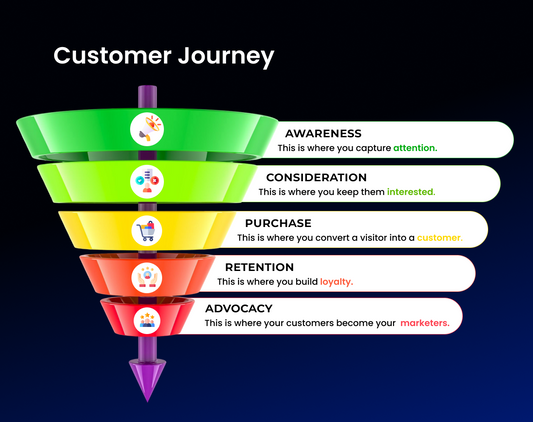
Start by listing every price point, bundle, tier, discount, trial, and subscription. Then track the buyer funnel (product page → add-to-cart → checkout → purchase) and measure factors like AOV, cart abandonment, and discount redemptions to identify the leaks.
Understand your customers.
Next, run short surveys and collect all the feedback you can. Then, segment the buyers into price-sensitive, value-focused, and premium groups. After that, customize the offers, messaging, and payment options for each segment.
2. Define offers and tiers.
Create clear value propositions for every tier or bundle. Make upgrades obviously better, use anchoring (show the high end first), and set sensible free-shipping thresholds and bundle discounts that nudge higher AOV.
3. Design risk reversal & operations.
Pick a visible guarantee or trial and display it near CTAs. Make sure that the returns, refunds, inventory, and support processes are delivered on time without any delays.
4. Test, measure, iterate.
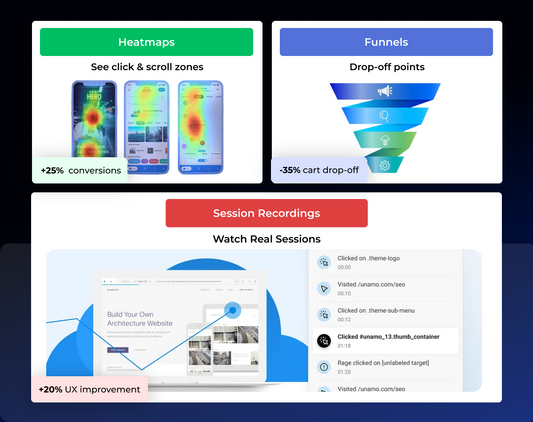
Finally, A/B test the price points, tier copy, trial lengths, and thresholds. Use tools like GA4, heatmaps, and session recordings to understand patterns better. Continuously track and refine the conversion rate, AOV, margin, retention, and LTV.
If this sounds too much,a conversion rate optimization agency or a specialized CRO agency like Nivara Commerce can help. We'll audit your pricing, design experiments, and implement winners so pricing becomes a reliable growth engine. Ready to start? Contact us today.
8. Conclusion: Smart Pricing Isn't About Lower Prices — It's About Higher Perceived Value
Let me leave you with this reframing: what if instead of seeing pricing as a cost in the conversation, you see it as your growth engine? Because it can be.
Smart pricing isn't just about being the cheapest. It's a lot more about making your customers feel they're getting more than they expected. It's about clarity, trust, fairness, and removing friction. When every aspect of pricing—offers, tiers, risk reversal—is built around converting, you'll see that conversion takes care of itself.
So experiment. Test. Be bold. Use data. Keep the customer's needs front and center. Because when buying feels like a win, people buy. They come back. They trust you. And growth follows.