
In This Story
If you’re still treating customer support as a cost center, you’re leaving revenue on the table. Today’s ecommerce isn’t driven by discounts or aggressive ads, it’s driven by how supported, reassured, and confident a customer feels throughout their buying journey.
That feeling of “I’m being taken care of” is not soft or sentimental.
It is a conversion accelerant and a quiet powerhouse of CRO and conversion rate optimization.
Support is no longer a backend operation. It’s a frontline sales channel. And for brands that understand this shift, customer conversations become conversions, and every support touchpoint becomes an opportunity to close the gap between intent and purchase.
Welcome to a new era of CRO, where support isn’t reactive. It’s revenue.
Why Customer Support Is Your Untapped Sales Channel
For years, brands poured resources into content, ads, email flows, and social storytelling—yet ignored the exact moment when buyers needed them most: inside the buying decision.
Modern consumers expect support:
-
Before the sale (questions, concerns, reassurance)
-
During the sale (comparisons, clarifications, confidence-building)
-
After the sale (setup, usage, questions, returns, onboarding)
And this expectation isn’t optional. It’s psychological.
When a customer feels “supported,” three things happen:
-
Friction drops—they stop overthinking.
-
Trust increases—they rely on your brand as a guide.
-
Velocity increases—they take action faster.
Support creates emotional momentum, and momentum converts.
Most brands are already spending on support teams, chat tools, and help desks. But only a fraction use them as a structured sales engine.
This blog is your blueprint to change that — and a blueprint for eCommerce optimization, e commerce conversion rate optimization, and ecommerce conversion optimization done right.
The Customer Mindset: What Shoppers Really Want Before They Buy
Great support isn’t about resolving tickets—it’s about resolving doubt. Before shoppers purchase, they’re not looking for information; they’re looking for confidence. Your support team’s true job is to answer the psychological needs that drive conversions. When these needs are met, hesitation evaporates and buying momentum stays intact.
1. Instant Answers
Modern shoppers won’t wait. They don’t want to dig through FAQs, scroll endlessly, or open new tabs. They want answers right now—because every extra second introduces friction.
Instant support creates momentum and leads them towards checkout instead of drifting away.
2. Risk-Free Decisions
Every customer is silently asking:
“Will this fit my needs?”
“Is this compatible?”
“What if it doesn’t work for me?”
Support’s biggest role is to eliminate perceived risk. When the customer feels protected, safe, and understood, conversion becomes the natural outcome—not a forced one.
3. Clarity, Confidence & Reassurance
A single line from your support team can change everything:
“Don’t worry, this will work perfectly for XYZ.”
“Most customers with your concern choose this option.”
Clarity settles doubt. Confidence speeds decisions. Reassurance closes the sale.
Sometimes, a supportive sentence converts way better than even a sitewide discount — making it one of the simplest ways to improve conversion rates.
4. Eliminating the “Purchase Pause” Moments
Every buying journey is filled with micro-pauses and tiny moments where customers hesitate:
-
Confusion
-
Second thoughts
-
Unexpected questions
-
Fear of making the wrong choice
These pauses are real conversion killers. Great support removes them entirely, turning an “I’ll think about it” into an “Add to Cart.”
This is why support is one of the most underrated CRO levers in ecommerce—yet one of the most powerful when activated. It consistently helps brands increase conversion rate without adding new traffic.
The Conversion-Boosting Support Ecosystem (Your Must-Have Infrastructure)
To turn customer support into a true conversion engine, you need an ecosystem that collapses friction, anticipates needs, and accelerates buying decisions. Each touchpoint—whether automated or human-led—must work together to reassure the customer, guide them, and remove uncertainty.
Think of this as your support “stack”: the systems, channels, and experiences that meet shoppers exactly at the moment they need help.
Below is the infrastructure your brand needs if you want support to sell—not just solve problems.
1. 24/7 Live Chat

A customer who gets help instantly is a customer who is far more likely to convert. Live chat eliminates hesitation, answers objections in real-time, and gives late-night shoppers the confidence to complete their purchase.
Key roles of 24/7 chat support:
-
Instant answers that prevent drop-offs
-
Live product guidance when customers are stuck
-
Seamless support during high-intent moments
-
Late-night conversions from customers shopping outside business hours
2. Chatbots for FAQs & Order Tracking

Chatbots aren’t meant to replace humans—they’re meant to speed up everything before a human needs to step in. They clear the basic workload so agents can focus on meaningful conversations that drive sales.
What chatbots should handle efficiently:
-
Pre-purchase FAQs (shipping, size, fit, compatibility, etc.)
-
Basic product details customers repeatedly ask
-
Order tracking queries that normally flood human support
-
Shipping and delivery timelines
When you free the agents from repetitive queries, it boosts productivity and ensures that high-intent customers get human attention faster.
3. Click-to-Call Support

Sometimes a customer only needs to hear a human voice. A 30-second phone call can resolve the doubts that no AI, popup, or product page ever could. Click-to-call support is especially important for high-consideration products.
Click-to-call drives the highest conversions with:
-
High-ticket items where reassurance reduces risk
-
Complex products that need explanation or comparison
-
Personalized purchases where customers want expert guidance
-
Urgent buying scenarios where written responses feel slow
A call is often the shortest path from hesitation → conversion.
4. WhatsApp / Messenger Assisted Shopping

Modern shoppers want the flexibility to talk to brands the way they talk to friends—quick, personal, and conversational. Offering WhatsApp or Messenger shopping transforms your brand into a “trusted advisor” shoppers access anytime.
Why messaging apps convert exceptionally well:
-
Instant, informal two-way communication
-
Quick replies and voice notes that build trust
-
Personalised recommendations based on images or screenshots
-
Ability to share videos, product comparisons, and demos
-
Higher completion rate than traditional chat windows
In many categories, WhatsApp-assisted sales outperform website chat conversions by 2–3x.
5. Transparent Return/Exchange Process

Nothing kills conversions faster than uncertainty around returns. When customers clearly see how easy, fast, and safe your return/exchange policy is, they immediately feel more confident purchasing.
Elements of a conversion-friendly returns experience:
-
Ultra-clear “how it works” steps
-
Easy, no-questions-asked exchanges
-
Free or affordable return shipping
-
A transparent timeline for refunds
-
No hidden conditions
A brand that removes risk feels trustworthy—and trust closes carts.
6. Fast & Proactive Shipping Updates.

The sale doesn’t end at checkout. Every moment after the purchase contributes to customer satisfaction and repeat buying behavior. Proactive shipping updates show customers you care even after the transaction.
What proactive updates accomplish:
-
Reduce “Where is my order?” (WISMO) tickets
-
Decrease buyer anxiety
-
Increase trust in the brand
-
Improve post-purchase experience
-
Encourage repeat purchases through consistent reliability
When customers know what’s happening, they feel in control—and that trust compounds.
7. Post-Purchase “How to Use” Guides

A customer who understands your product is a customer who loves your product. “How to use” guides don’t just educate—they eliminate confusion, reduce returns, and drive much higher product satisfaction.
Benefits of clear usage guidance:
-
Fewer returns due to misunderstandings
-
Faster product adoption
-
Higher perceived value
-
Improved results → stronger loyalty
-
More repeat purchases because the product “works for them”
Guides can be videos, emails, PDFs, reels, short lessons—anything that helps customers experience success faster.
8. Customer Onboarding

Yes, onboarding is just as essential in ecommerce as it is in SaaS. Customers who feel supported after purchase become brand champions. The first few days after delivery are the most important—this is where loyalty is built.
Onboarding elements that boost lifetime value:
-
Simple step-by-step setup instructions
-
Personalized “getting started” emails
-
Pro tips, hacks, and best practices
-
Troubleshooting workflows to prevent frustration
-
Product education that guides customers to the best outcome
When customers know how to get the most out of your product, they not only keep it—they come back for more.
Implementing a High-Converting Support Experience (Step-by-Step Framework)

Converting support into a revenue driver isn’t just about adding more channels. It’s about creating a system that guides customers with clarity, confidence, and speed that too in a subtle way without being pushy. This framework helps you turn every conversation into a conversion opportunity.
Step 1: Audit Every Support Touchpoint
Before fixing anything, understand where friction lives. Your audit reveals the moments where customers hesitate—and where support should step in.
Identify:
-
Points where customers get stuck
-
Repetitive questions signaling unclear messaging
-
Drop-offs in chat, calls, or emails
-
Missed opportunities to guide toward the sale
-
Gaps between what shoppers expect vs what they experience
This becomes your conversion rate optimization ecommerce roadmap.
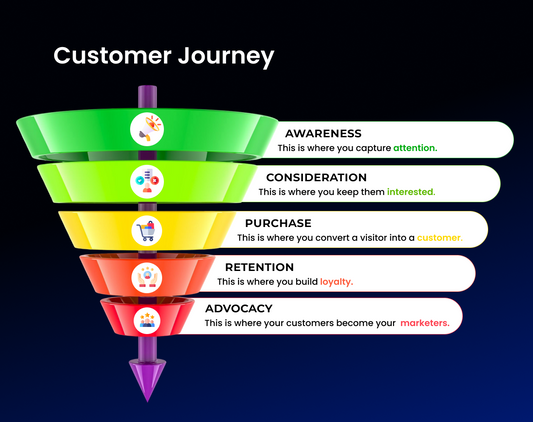
Step 2: Map Support Across the Buyer Journey
Support should not only be at checkout. It must be embedded everywhere a customer might pause or feel uncertain about the purchase or next steps.
Integrate support into:
-
Awareness: Light guidance, product clarity
-
Consideration: Comparisons, reassurance
-
Decision: Real-time help, final objections
-
Post-purchase: Updates, instructions, retention flows
Support is not a rescue team—it’s a conversion companion.
Step 3: Create Scripts, Flows & Escalation Points
High-converting support feels personal but follows structure. This ensures consistency, speed, and better outcomes.
Build:
-
Sales-assisted scripts
-
Recommendation flows based on intent
-
Tone & empathy guidelines
-
Upsell/cross-sell prompts
-
Clear escalation rules
-
Close-the-sale frameworks
Predictable structure → predictable conversions.
Step 4: Integrate Support with CRM + Marketing Automation
Support helps with sales when it has context. Data helps turn every reply into a customized suggestion.
Support should see:
-
Customer history
-
Browsing behavior
-
Cart activity
-
Previous tickets
This allows agents to deliver tailored solutions, reduce resolution time, and convert 2–4x higher.
Support cannot sit in a silo. It must be plugged directly into your sales and marketing ecosystem — a key part of advanced CRO and ecommerce conversion optimization.
The Future of CRO Is Human (Even When Automated)
No matter how advanced your tools become, the brands that win are the ones that make customers feel seen, supported, and understood. Support-first brands convert better because they offer what ads, product pages, and funnels simply cannot: human reassurance.
When support is woven into your conversion rate optimization strategy—not added as an afterthought—conversions stop being unpredictable. They become consistent, intentional, and repeatable. This is the new blueprint for scaling ecommerce in a world where every shopper expects instant clarity and zero friction.
This is your conversion engine.
This is how modern brands sell through service.
Now it’s your turn to build a customer support system that doesn’t just answer question — it closes sales.