
In This Story
In the golden age of digital marketing, the "lead magnet" was a simple trade. You offered a PDF checklist or a generic eBook, and the user handed over their email address. It was a fair transaction for a simpler time.
But the digital landscape of 2026 is different. Inboxes are fortresses, and users have developed a sophisticated "sales radar" that allows them to ignore traditional pop-ups before they even finish loading. People aren’t just protective of their data; they are exhausted by the lack of creativity in how it’s requested.
To move the needle today, businesses must stop asking and start engaging. This is where gamification—specifically "Spin the Wheel" and "Scratch Card" mechanics—transforms lead generation from a dry administrative hurdle into a moment of genuine excitement.
The Psychology of the Win: Why Gamification Works
Before diving into the "how," we must understand the "why." Gamified lead magnets aren't just flashy novelties; they are precision-engineered tools built on proven behavioral science.
1. The Zeigarnik Effect
This principle states that people remember uncompleted or interrupted tasks better than completed ones. When a user clicks a "Spin to Win" button, they have initiated a sequence. Their brain experiences a psychological "itch" to see the result. By the time the lead form appears, they are already mid-process, making them significantly more likely to provide their email to "close the loop" and see where the needle lands.
2. Variable Rewards and Dopamine
Slot machines are addictive because of "variable ratio reinforcement." You don’t know when you’ll win or how much. Digital spin-the-wheels mimic this. The anticipation of the spin triggers a dopamine release. Whether the prize is a 5% discount or a free shipping code, the uncertainty makes the reward feel more valuable than a static, guaranteed offer.
3. Loss Aversion
If you offer a visitor a "10% discount code," they feel like they have gained a choice. If they spin a wheel and win a "10% discount code," they feel like they have gained an asset. Psychologically, walking away from that discount now feels like losing something they earned.
Spin the Wheel: The Heavyweight of Conversion

The "Spin the Wheel" (or Spin-to-Win) interface is perhaps the most recognizable gamification tool in e-commerce and B2B marketing alike. It consists of a digital disc divided into segments, each containing a different offer.
Why it excels:
-
Universal Recognition: From Wheel of Fortune to carnival games, everyone knows how a wheel works. No instructions required.
-
Visual Real Estate: It allows you to showcase multiple offers simultaneously. Even if the user wants the "Grand Prize," seeing the smaller prizes makes the game feel "fair" and winnable.
-
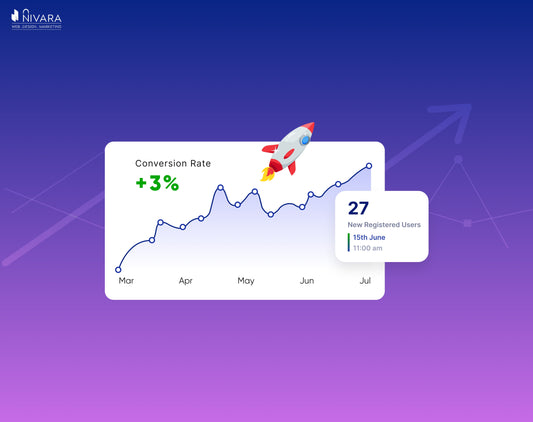
High Engagement Rates: Case studies show that gamified wheels can boast conversion rates 2–3x higher than traditional static pop-ups.
Strategic Implementation:
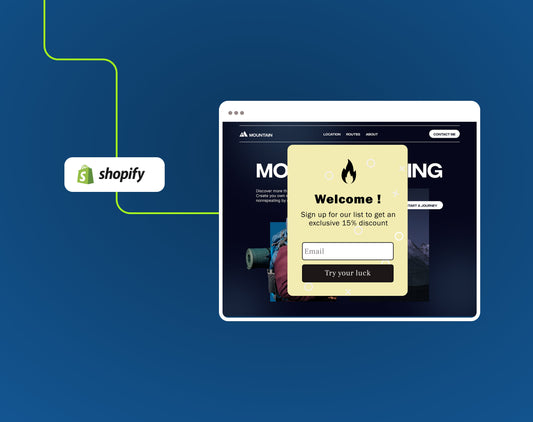
To make the most of a Spin the Wheel campaign, consider the "Post-Win" strategy. Rather than asking for the email before the spin—which creates a barrier to entry—allow the user to spin first. Once the wheel stops on a prize, present the form: "You won 20% off! Enter your email to receive your unique code." At this point, the user’s "Loss Aversion" kicks in, and the opt-in rate skyrockets.
Scratch Cards: The Power of the "Reveal"

While the wheel is about the journey (the spin), the Scratch Card is about the "Reveal." It mimics the tactile sensation of a physical lottery ticket, where the user moves their cursor (or finger on mobile) to "scratch" away an opaque layer and uncover their prize.
Why it excels:
-
Mobile Optimisation: Scratch cards are inherently "thumb-friendly." In a mobile-first world, the swiping motion feels more natural and interactive than just clicking a button.
-
Curiosity Gap: It taps into the human urge to uncover hidden information.
-
Personalization: Scratch cards can feel more intimate and "tailored" than a public-facing wheel.
Strategic Implementation:
Scratch cards are excellent for "Second Chance" or "Loyalty" campaigns. If a lead has gone cold, sending them an email with the subject line "You have a hidden gift waiting..." and a link to a digital scratch card can reignite interest far more effectively than a standard "We miss you" email.
Designing Your Lead Capture Strategy

A game is only as good as the strategy behind it. To turn these clicks into actual revenue, you need to optimize the "Quid Pro Quo."
1. The Data Collection Form: Less is More
You aren't running a background check. Every extra field you add to your form—Phone Number, Job Title, Company Size—acts as a weight that drags down your conversion rate.
-
Essential: Email Address.
-
Useful: First Name (for personalization).
-
Optional: One "segmentation" question (e.g., "What is your biggest business challenge?").
2. Mobile-First Responsiveness
A wheel that doesn't fit on an iPhone screen is a liability, not an asset. Ensure your gamification platform (like Drimify, OptinMonster, or Tada) uses dynamic design. The interaction must be seamless; if a user struggles to "scratch" because of lag or poor scaling, they will associate that frustration with your brand.
3. The "Hook" and the "Prize."
Your prizes must be meaningful. If you offer "A chance to win a free consultation" alongside "10% off," the user knows the former is a sales pitch in disguise. Mix tangible rewards (discounts, free shipping, physical products) with "Value-Add" rewards (exclusive guides, VIP access).
Integrating with Your Ecosystem
Gamification should not exist in a vacuum. It must be the "hook" that leads into your wider marketing funnel.
-
CRM Integration: Your game must talk to your CRM (HubSpot, Mailchimp, Klaviyo). When a user wins a "15% discount," that data point should trigger an automated email containing the code and a "Shop Now" call to action.
-
A/B Testing: Don't guess which prizes work. Test a wheel with a "Free Gift" segment versus one with a "Free Shipping" segment. You might find that your audience values time (shipping speed) over money (discounts).
-
Frequency Capping: Do not annoy your visitors. If someone closes the game, don't show it to them again five minutes later. Set a cookie-based frequency cap so the game remains an "exclusive" opportunity rather than a nuisance.
The ROI of Fun: Beyond the Email List
While the primary goal is lead generation, the secondary benefits of gamification are equally potent:
-
Increased Time-on-Site: Games keep users on your page longer, which can positively impact your SEO rankings.
-
Brand Sentiment: Instead of feeling "sold to," the user feels "rewarded." This positive emotional anchor increases the likelihood of brand loyalty.
-
Data Enrichment: Because users are having fun, they are often more willing to answer a dropdown question within the game than they would be in a standard survey.
Final Thoughts: The Future is Interactive
The bar for capturing consumer attention has never been higher. To clear it, you can't rely on the same ladders everyone else is using.
By incorporating Spin the Wheel and Scratch Card tactics, you shift the power dynamic. You stop being a solicitor and start being a provider of value and entertainment. In the modern economy, the brands that win are the ones that make the transaction feel like a game—and ensure customers always feel like winners.