
In This Story
A few years ago, sending the same email blast to your entire customer list might’ve worked.Today, it’s a one-way ticket to the spam folder.
Modern shoppers expect brands to know them ,their preferences, behaviors, and even timing. They want product recommendations that make sense, offers that feel relevant, and experiences that adapt as they shop. According to McKinsey, 71% of consumers expect personalized interactions, and 76% get frustrated when they don’t get them.
That frustration shows up as lower conversions, shorter sessions, and rising acquisition costs. The message is clear: generic marketing doesn’t cut it anymore.
To win in 2025 and beyond, brands must evolve from “campaigning” to “connecting.” That’s where personalization and segmentation come in, turning customer data into meaningful, conversion-driving experiences.
The Shift in Customer Expectations
E-Commerce has changed more in the past three years than in the last decade combined. With AI-driven platforms, omnichannel browsing, and hyper-aware consumers, shoppers now expect every click to feel tailored.
Customers don’t just buy products anymore ,they buy experiences. They want your website to recognize their needs, your emails to remember their last action, and your offers to feel like they were made just for them.
Yet most brands still serve cookie-cutter messages and “one-size-fits-all” campaigns. That disconnect costs real money.
A recent Epsilon study found that 80% of shoppers are more likely to purchase from brands offering personalized experiences. In other words, personalization isn’t a marketing trend it’s the new baseline for relevance.
The Challenge: Why Traditional Marketing Falls Short
For decades, marketing meant pushing out messages and hoping they landed somewhere useful. But in a world overflowing with ads, that approach feels like shouting into the void.Generic messaging doesn’t just underperform it actively alienates. Think about it: 74% of customers say they feel frustrated when content isn’t relevant to them (Salesforce).This frustration isn’t about impatience; it’s about expectations. Consumers know that brands have their data so when those brands don’t use it intelligently, it feels lazy or careless.
Traditional segmentation by just age or gender is no longer enough. Shoppers today expect personalization based on:
- What they’ve browsed or abandoned
- Where they are (geo-personalization)
- How often they buy
- What stage of the customer lifecycle they’re in
Brands that fail to meet this expectation lose both relevance and trust. In contrast, personalized brands win more than just conversions they win long-term loyalty.
The Core Personalization Strategies Driving Growth
Let’s break down the most powerful, proven personalization tactics that turn browsing into buying. Each of these can be layered to create a smarter and more intuitive shopping experience.
1. Dynamic Homepages: The New Storefront
Your homepage is your first impression — and in eCommerce, the first five seconds decide whether visitors stay or bounce.
A dynamic homepage adjusts content in real time, showing each visitor what’s most relevant right now.
Instead of a static hero banner for everyone, dynamic sites tailor:
- Product grids and recommendations
- Headlines and CTAs
- Even offers or shipping messages
How it works:
Use behavioral and contextual data to segment visitors by:
- New vs. returning customers (show welcome offers vs. curated favorites.
- Recent browsing activity (surface similar or complementary items)
- Geo-location (show region-specific offers or holidays)
Example:
An apparel brand can greet a returning shopper with, “Welcome back, Sarah — your favorite summer styles are back in stock!”
That single line makes the experience feel personal — and can lift conversions by up to 20%.

2. Behavioral Email Flows: Turning Intent into Action

Behavioral email flows are triggered automatically by what a customer does — or doesn’t do — on your site.
Unlike generic blasts, they speak directly to a shopper’s current intent.
Why it matters:
According to Experian, behavioral emails drive 6x higher transaction rates than standard campaigns.
How to apply it:
- Browse Abandonment“Still thinking about our Vitamin C Serum? Here’s 10% off if you grab it today.”
- Replenishment“You’re almost out! Time to restock your Vitamin C before it runs out.”
- Post-Purchase“How was your experience? Leave a review and earn points for your next order.”
Emails like these don't feel like sales pitches but more like reminders gently leading customers to continue their buying journey smoothly.
3. Segmented Offers: Reward Behavior, Not Just Presence

Segmentation allows you to tailor promotions based on where a customer is in their lifecycle, not just that they exist in your database.
Every shopper has different motivations like discounts for first-timers, exclusivity for loyalists, and recognition for VIPs.
How to apply it:
- New buyers“First order? Enjoy 15% off your welcome purchase.”
- Repeat customers“Thanks for coming back — enjoy free shipping today.”
- High-value customers“You’re part of our top 1%! Here’s early access to our new collection.”
According to Campaign Monitor, segmented offers can boost email revenue by up to 760% because relevance always beats reach.
4. AI-Driven Product Recommendations

AI recommendation engines analyze what customers view, buy, and interact with to predict what they’ll want next.
Why it matters:
Personalized recommendations account for 35% of Amazon’s total revenue — proving how powerful predictive suggestions can be.
How to apply it:
- Add “Recommended for You” or “Customers Also Bought” carousels on product pages and carts.
- Use AI to cross-sell (serum → moisturizer) or upsell (basic plan → premium set).
- Continuously train algorithms on new data for smarter results.
Example:
A skincare brand can automatically suggest a night cream to complement a purchased serum increasing AOV without manual targeting or pushy tactics.
5 Geo-Based Personalization

Location impacts context — currency, climate, even culture. Geo-personalization ensures your brand feels local, no matter where the shopper is.
Why it matters:
Seeing the wrong currency or shipping timeline instantly reduces trust and purchase intent.
How to apply it:
- Auto-detect visitor country and display local currency.
- Show regional delivery estimates and local shipping partners.
- Adapt recommendations by climate or season.
Example:
A beauty brand can showcase “Lightweight Summer Moisturizers” for customers in Mumbai, while users in Toronto see “Winter Hydration Essentials.” This simple adjustment boosts relevance — and conversions — globally.
6 Birthday & Anniversary Offers

Milestone-based personalization creates emotional reciprocity — one of the strongest drivers of loyalty.
Why it works:
People remember how brands make them feel. Celebrating them, not just selling to them, strengthens emotional connection.
How to apply it:
- Send a birthday email or popup:
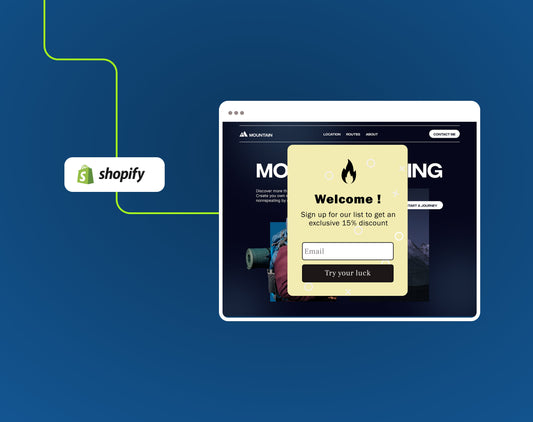
- “Happy Birthday! Here’s a 20% gift from us — just because.”
- Extend it to anniversaries — like “1 Year with Us” or “Your First Purchase Anniversary.”
Small gestures like this can dramatically improve retention and repeat purchase intent.
7 Quizzes & Guided Selling

Shoppers today want to be guided, not overwhelmed. Quizzes and guided selling tools help customers find what’s right for them while collecting valuable zero-party data (data they voluntarily share).
Why it matters:
When customers feel understood, they buy faster — and are less likely to return items.
How to apply it:
- Build interactive quizzes (“Find Your Perfect Serum” or “Which Plan Fits You Best?”)
- Ask for preferences — skin type, goals, budget — and instantly recommend tailored products.
- Use answers to segment users for future campaigns.
Example:
A skincare quiz that recommends a 3-step routine based on skin type not only increases conversions but also provides insight you can reuse in email or retargeting.
8 Recently Viewed & “Complete the Look” Sections

These features help maintain context — reminding customers of what they explored or showing how to expand their purchase.
Why it matters:
Most visitors don’t buy on the first visit. Bringing back their browsing history or suggesting complementary products reduces friction and decision fatigue.
How to apply it:
- Add a “Recently Viewed” carousel on PDPs and homepages.
- Create “Complete the Look” or “Pair It With” sections for cross-selling.
- Use cookies or session tracking to personalize what each visitor sees.
Example:
An apparel store might show “Complete the Look” suggestions — matching shoes, bags, and accessories — turning a single-item purchase into a full outfit.
This approach not only increases AOV but also subtly improves customer satisfaction by doing the thinking for them.
The Data-Driven Advantage
Personalization without data is guesswork. The real power comes when analytics, AI, and segmentation systems work together to create a live, learning ecosystem.
How it works:
- CDPs (Customer Data Platforms)Unify customer data from email, web, and social to form a 360° profile.
- Predictive modelingUses past behavior to forecast what users will want next.
- AI segmentationGroups users dynamically and not just by demographics, but intent and lifecycle stage.
Example:
A beauty brand using predictive analytics saw a 35% increase in repeat purchases after automating restock reminders for products predicted to run out soon.
With tools like Klaviyo, Bloomreach, or Segment, even mid-sized brands can now personalize at scale no massive tech stack required.
Emerging Trends (2025 and Beyond)
Personalization is evolving rapidly. Here’s what’s shaping the future:
AI & Machine Learning
AI is moving from simple “if-this-then-that” rules to predictive personalization — anticipating needs before customers even act. Imagine your homepage rearranging itself based on weather, browsing time, and intent patterns.
Omnichannel Engagement
The new personalization frontier is consistency. Whether it’s email, WhatsApp, web, or in-store, every touchpoint must feel unified — one brand, one experience.
Privacy-First Personalization
With cookie restrictions tightening, first-party data is king. Brands must personalize through voluntary, transparent data collection — via quizzes, wishlists, and memberships.
Voice, AR & Social Commerce
Voice-assisted shopping and AR product visualization bring personalization into new realms — helping customers “experience” products before they buy.
Metrics That Matter
Personalization only works when measured and refined. Track these key metrics to gauge effectiveness:
| Metric | Why It Matters |
| Conversion Rate | Directly measures impact of tailored experiences |
| AOV (Average Order Value) | Higher personalization = more relevant upsells |
| Retention Rate | Proves long-term value of segmented engagement |
| Click-through Rate (CTR) | Shows content resonance |
| Engagement Score | Tracks how actively customers interact with content |
Conclusion: The Future Belongs to the Personal
In a crowded eCommerce world, personalization is your ultimate differentiator. It’s the difference between being seen and being remembered.
When you combine segmentation, behavioral intelligence, and genuine customer understanding, you create a brand that feels human — one that listens, responds, and adapts.
Trust and loyalty aren’t built through flashy design or deep discounts anymore. They’re built through relevance.
And if you’re ready to make your customer journey smarter, faster, and more profitable, Nivara can help you design the strategy that turns insight into consistent growth.
Because in eCommerce, personalization isn’t just the future — it’s the foundation.