
In This Story
You've got it all, the traffic, the product, AND a clean website. People are browsing your collections, adding items to their cart... and then? They pause. They think something like "I'll come back later” and close the tab. This exact moment of hesitation is where most eCommerce sales die. This is also one of the biggest gaps brands try to fix through CRO and conversion rate optimization strategies.
If this case sounds familiar, then you're not alone. This conversion gap and the time between interest and immediate action are one of the biggest challenges in online retail. The main problem here isn’t your store but human psychology. The thing is, we like to keep our options open, postpone decisions, and avoid risks—making eCommerce conversion optimization essential for modern brands.
But what if you could push that hesitation into a confident, "Buy Now" click?
After years of working with eCommerce brands and analyzing hundreds of pricing patterns, campaign results, and customer behaviors, one thing has become crystal clear that scarcity, urgency, and psychological triggers are the definite solutions to this problem. They frame the purchase as an exclusive opportunity and a decision to act, not just to buy. In 2025, when ad costs are rising, getting a customer to act now is the most valuable thing you can do for your profitability. It’s also one of the fastest ways to improve conversion rates with ethical psychological cues.
Let's see how you can build a system that turns casual visitors into immediate, happy buyers through smarter eCommerce optimization.
What Are Scarcity, Urgency & Psychological Triggers in eCommerce?
These three concepts, scarcity, urgency, and psychological triggers, work really well together because they all affect how and when a buyer decides to act. While all of them share the goal of guiding faster decisions, each one plays a different role in making a purchase feel more exciting and meaningful. When used right, they directly support conversion rate optimization ecommerce systems.
Scarcity is all about limited availability. This naturally increases how much people value something. For example, when you see “Only 5 Left in Stock” or “Limited Edition,” it creates a sense of urgency and exclusivity. It makes you feel like they’re getting something special and rare.
Urgency focuses on a limited time. Messages like “Offer Ends in 2 Hours” or “Flash Sale Today Only” create energy and momentum. They encourage people to act while the opportunity is still open, adding a sense of immediacy that keeps the shopping experience dynamic and engaging.
Psychological triggers tap into natural human instincts and emotions—like FOMO (fear of missing out), social proof (seeing what others are loving), and loss aversion (our tendency to value avoiding loss more than gaining something new). These cues don’t manipulate—they motivate. They help customers feel more confident about acting on their intentions rather than hesitating.
When used thoughtfully, these three forces work together to transform casual browsing into decisive action. They gently shift the mindset from “Should I buy this?” to “This feels like the right time to get it.” It’s not about pressure—it’s about helping shoppers recognize and act on genuine moments of opportunity.
Why They Matter Now More Than Ever In 2025
In today's highly competitive eCommerce landscape, your Customer Acquisition Costs (CAC) are likely soaring. This means every visitor, every session, and every cart must be maximized for profit. You can't afford to have a high volume of "I'll buy later" exits.
Scarcity and urgency are powerful because they allow you to increase conversions without cutting prices. They make your standard offers feel exclusive and the purchase feel rewarding. By creating a positive emotional spike (excitement, privilege), you often see a direct link to a higher Average Order Value (AOV), as customers feel compelled to complete their purchase with relevant add-ons before the opportunity disappears. This is core to modern e commerce conversion rate optimization.
Core Triggers That Drive Action (and How to Use Them Ethically)
To make the best use of these psychological levers effectively, you need to embed them directly into the buyer journey where hesitation is highest—usually the Product Page (PDP) and the Cart. This approach supports both increase conversion rate and improve conversion rates initiatives.
4.1. Countdown Timers & Time-Sensitive Offers

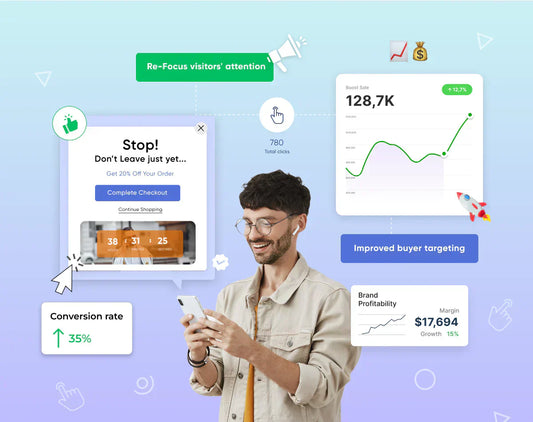
Deadlines have a funny way of helping people make up their minds. When people see pop-ups like “Flash Sale – Ends Tonight” or “Free Shipping Until Midnight,” it adds a natural sense of urgency that encourages them to act instead of waiting.
Placement makes all the difference. A clear, visible deadline on the product page can push people to grab a deal before it disappears. Showing it again in the cart reinforces that it’s the last chance to check out, and adding it to email headers can instantly bring people back to your site to complete their purchase.
The psychology here is simple: when time feels limited, people focus. It’s not really about pressure but about clarity. A clear reminder that the opportunity won’t last for a long time realy helps people make quick decisions and feel good about their choices.
In fact, even a well-timed countdown can increase checkout rates by more than 20%, proving that a little urgency, when used in the right way, can go a long way.
4.2. "Low Stock" or "Only X Left" Badges

This trigger is pure scarcity, leveraging FOMO. A low stock warning amplifies the product's perceived value because it implies desirability and finite availability.
How to Use: Only use this badge when stock is genuinely low (e.g., <10 units). The ideal spot is right next to the "Add to Cart" button on the PDP and briefly visible in the Cart summary.
Crucial Point: Being deceptive here instantly washes away trust. If you show "low stock" for months, customers notice and learn to ignore it. Authenticity is really non-negotiable.
4.3. "X People Viewing This Now" & Live Activity Counters

This is a potent combination of social proof and urgency. By showing that "15 people are viewing this right now," you create a sense of momentum and competition, implying that if the shopper waits, someone else will snag the item.
Implementation: These counters work best on high−demand items and category pages. The goal is to make the shopper feel like they are part of a bustling, active marketplace, not a lonely browser.
4.4. Seasonal & Limited Edition Drops

Exclusivity plays an important role in repeat purchases and brand attachment. When a product is specifically a Limited Edition or part of a Seasonal Drop, the scarcity is added into the product's narrative.
Framing: This tone must go with your brand identity. For example, a luxury brand can frame its drop as a 'collector's item,' or 'exclusive collection,' which drives sell-through rates faster than standard inventory.
4.5. Waitlists & Pre-Order Exclusivity

For new or high-demand products, a waitlist or Pre−Order system builds massive anticipation and perceived privilege before the product even ships.
Benefits: It collects demand data, validates the inventory size, and gives customers a feeling of VIP access. This turns a simple transaction into a deeper connection. It's a fantastic conversion and retention tool.
4.6. Early-Bird Pricing Windows

This strategy rewards action-takers. By offering a slightly better price for a short initial period—the "Early-Bird Window"—you motivate customers to commit quickly.
Effect: This effectively uses price anchoring. When the price later goes up to the regular retail price, that full price feels more reasonable because the customer is anchored to the higher value they almost paid.
4.7. Gamified Offers

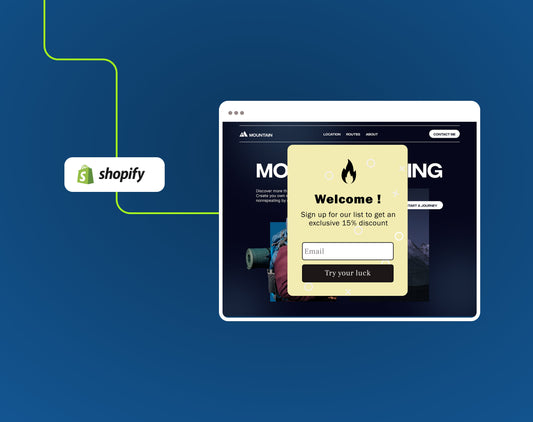
Gamification injects fun and interaction into the urgency equation. Tools like Spin the Wheel or Scratch Cards that offer a quick discount (e.g., "Spin to win 10% off before the timer ends!") boost dwell time and engagement rates. The element of chance makes the reward feel earned, increasing the likelihood of an immediate conversion.
What to Avoid When Using Psychological Triggers
The line between ethical persuasion and manipulation is thin. Cross it, and you don't just lose a sale; you lose trust, the most valuable asset you have.
-
Fake Scarcity
Never use a "low stock" badge for a product you have thousands of in the warehouse. Customers are smart; if they catch on, you erode credibility instantly. -
Countdown Timers That Reset
If your 24-hour offer ends and then immediately restarts, the timer becomes meaningless and untrustworthy. -
Manipulative Copy
Avoid high-pressure, fear-mongering language (e.g., "Buy now or regret forever"). Your messaging should be a helpful reminder of an opportunity, not a threat. -
Poor UX
Avoid aggressive, full-screen pop-ups that interrupt scrolling. Scarcity should guide and not annoy the consumer.
Real-World Impact: How Brands Use Scarcity & Urgency to Boost Conversions
Well, talking about scarcity in theory is one thing. But seeing how big brands use it in the real world is where things get interesting. Many big brand companies like Nike, Starbucks, and Nintendo have cracked the code of turning limited availability into massive demand.
Nike is the poster child for manufactured scarcity. Every sneaker drop on the SNKRS app feels like an event. The shoes are limited, the odds feel random, and fans line up digitally minutes before launch. That tension—the "will I get it or not?" feeling—is what drives obsession. Some people even use bots to boost their chances. At this point, Nike isn't just selling sneakers; they're selling a shot at exclusivity.
Starbucks plays a different but equally smart game with limited-time offers. Remember the Unicorn Frappuccino? It was only around for a few days, yet it blew up on social media with over 160,000 #UnicornFrappuccino posts. The same happens every year with their holiday Red Cups. The trick is simple: short window, big experience. People rush to get it before it's gone—and share it while they do.
Nintendo used scarcity to legendary effect with the Wii launch. They intentionally limited production early on, making it nearly impossible to find. Instead of turning people off, it made them want it more. Shoppers were literally tracking delivery trucks to grab one. That "sold-out everywhere" vibe kept demand sky-high for years.
The bottom line: these brands aren't just selling products—they're selling the chance to own something rare or fleeting. Scarcity, when done right, doesn't frustrate—it excites. It makes people act fast, talk about it, and feel part of something special.
How to Implement Scarcity & Urgency the Right Way
Building this framework requires a measured, data-driven approach:
-
Audit Your Buyer Journey
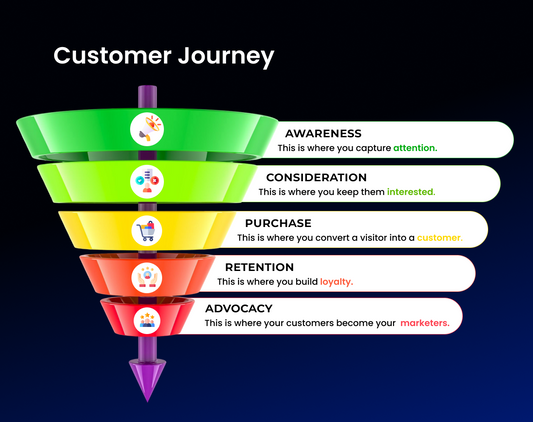
First, map out your typical customer journey (Landing Page → PDP → Cart → Checkout). Where are the biggest drop−off points? These are the places you need to introduce your triggers. -
Layer Triggers Where Intent is High
Don't put a flash sale timer on your homepage—put it on the product page or, better yet, in the cart, where the customer is already committed. Use scarcity and urgency to finalize the intent, not just generate it. -
Use Data-Driven Testing
A/B test everything. Test 24-hour timers against 48-hour timers. Test a "Limited Stock" badge against a simple text alert. Measure the difference in conversion lift, AOV, and cart abandonment rate. -
Maintain Authenticity and Transparency
Always ensure your stock levels and deadlines are real. If you make a promise, deliver on it. Trust is the foundation of long-term growth.
If creating urgency and scarcity feels tricky, we at Nivara Commerce can help. We’ll craft limited-time offers, optimize product availability cues, and design triggers that nudge customers to act—turning scarcity and urgency into a consistent growth driver. Ready to make every moment count? Contact us today.
Conclusion: Urgency Sells — But Trust Sustains
Let's reframe the conversion challenge: it's not that people don't want your product; it's that they don't see a compelling reason to buy right now.
Smart scarcity isn't about high-pressure sales tactics, but about clarity, value, and removing the inertia of hesitation. Long-term, successful brands win when their urgency feels natural, such as a genuine limited edition or a flash sale that provides real value.
When used with integrity, psychological triggers turn hesitation into immediate action—and browsers into loyal, decisive buyers. It's time to stop waiting for your customers to act and start gently guiding them to a confident, immediate purchase.
Ready to start experimenting with high-impact scarcity campaigns?