
In This Story
Most eCommerce founders have a complicated relationship with discounting.
On one hand, slashing prices feels like a race to the bottom—a quick way to erode brand equity and train customers to wait for a deal. On the other hand, the revenue potential is undeniable.
But what if you could harness the explosive volume of a discount without the long-term brand damage?
Enter the Flash Sale. Unlike a standard seasonal markdown, a flash sale is a high-velocity, time-boxed event designed to inject immediate cash flow, acquire new customers, and wake up dormant email subscribers.
When executed correctly, the results are staggering. Data says that online stores can see a massive increase in monthly gross merchandise value (GMV) during a well-timed flash sale event. Why? Because they tap into a primal psychological trigger: FOMO (Fear Of Missing Out). In fact, consumer behavior studies show that nearly 60% of shoppers make purchases within 24 hours of experiencing that specific "fear of loss."
This isn't about clearing out the bargain bin. This is the Flash Sale Formula,a strategic blueprint to spike revenue, clear inventory, and dominate your niche, all without cheapening your brand.
The Psychology of Urgency: Why Time-Boxing Works
To run a successful flash sale, you must understand the two psychological levers at play: Scarcity and Urgency.
While they are often used interchangeably, they trigger different behaviors in the consumer brain:
-
Urgency is time-based: "This offer ends in 3 hours."
-
Scarcity is quantity-based: "Only 5 units left in stock."
When a customer sees a standard product page, they are in the "Deliberation Phase." They compare prices, check competitors, and often leave items in the cart—contributing to the industry-average 70% cart abandonment rate.
A flash sale short-circuits this phase. The combination of a ticking clock (Urgency) and a depleting inventory counter (Scarcity) forces the brain to bypass deliberation and move straight to Action. The fear of losing the opportunity outweighs the pain of spending money.
Phase 1: The Pre-Launch Strategy
A flash sale without a goal is just a clearance rack. Before you draft a single email, you need to define the financial objective of the campaign.
1. Choose Your Objective
-
Acquisition: If you want new customers, discount your Hero Products (best-sellers). You might break even on the first sale, but you acquire the customer data for future LTV (Lifetime Value).
-
Liquidation: If you need cash flow, bundle slow-moving SKUs with higher-margin items. This turns dead stock into liquid cash.
-
Retention: If you want to reward loyalty, offer Exclusive Early Access to your VIP segment. This strengthens the relationship without exposing your brand to discount hunters.
2. The "Velvet Rope" Product Strategy
Do not discount your entire catalog. Instead, use the "Velvet Rope" approach. For this, unlock specific and high-desire items from the "vault" for a limited time. This frames the sale as an event, not a desperate attempt to move product.
3. Break-Even ROAS
Before launching, calculate your Break-Even Return on Ad Spend (ROAS). If your margin is 50% and you offer a 30% discount, your new margin is 20%. If you are running paid ads to support the sale, your ad spend must be highly efficient to avoid a net loss.
Pro Tip: Focus on Net Profit, not just Revenue. A high-revenue flash sale that loses money is only a victory if you have a rock-solid plan to upsell those customers later.
Phase 2: The Marketing Formula
The success of a flash sale is 80% preparation and 20% execution. You need to build a "Hype Cycle" that peaks exactly when the doors open.
Here is the ideal 48-Hour Communication Flow:
T-Minus 48 Hours: The Tease
Channel: Social Media (Stories/Reels) & Email P.S. lines. The Message: "Something big is coming." Goal: Do not reveal the offer yet. creating curiosity. Ask users to "Turn on post notifications" or "Add to Calendar."
Hour 0: The Launch
Channel: SMS & Email Blast (Segmented). Subject Line: Must imply immediacy. “The Vault is Open: 24 Hours Only.” The Message: Clear CTA. “Go, Go, Go.” Goal: Drive maximum traffic in the first hour to signal algorithm relevance to platforms like Meta and Google.
Mid-Campaign: The Nudge
Channel: Email Resend. Targeting: Non-Openers Only. The Message: Change the angle. If the first email was about the discount, make this one about the specific product benefits or social proof.
The Final Countdown (Last 4 Hours)
Channel: SMS & Email. The Message: Pure urgency. "Doors close in 2 hours." or "50% of stock is gone." Goal: This is historically the highest-converting window of the entire sale.
Phase 3: On-Site Execution & CRO
Getting traffic is only half the job. When people land on your site, it needs to be fast, clear, and easy to buy from. A flash sale puts serious pressure on your website—this is where UX and conversion rate optimization really matter.
1. Make Sure Your Site Can Handle the Rush
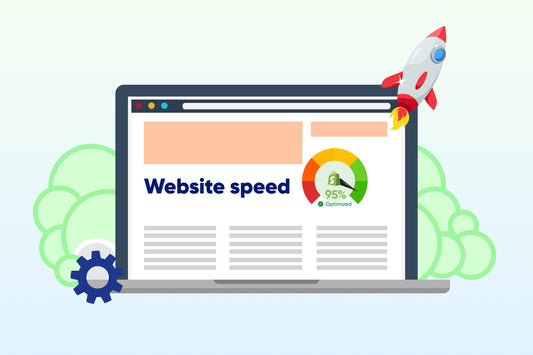
Nothing ruins a flash sale faster than a broken site. Pages crashing, slow load times, or checkout errors will cost you sales instantly.
Before you launch, make sure your eCommerce platform (Shopify, Magento, WooCommerce) can handle a traffic spike. If you’re expecting big volume, use auto-scaling servers so your site doesn’t go down when demand peaks.
2. Use Strong Visual Signals (Your CRO Toolkit)
Your product pages should clearly show that this is a limited-time deal.
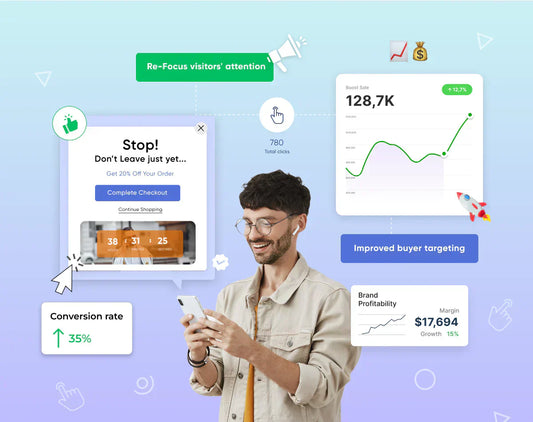
Sticky countdown timers work especially well. Place a timer at the top or bottom of the screen that stays visible as the users scroll. It reminds shoppers that time is running out.
Live inventory counters also help. Messages like “Only 12 left in stock” reinforce urgency and make the offer feel real.
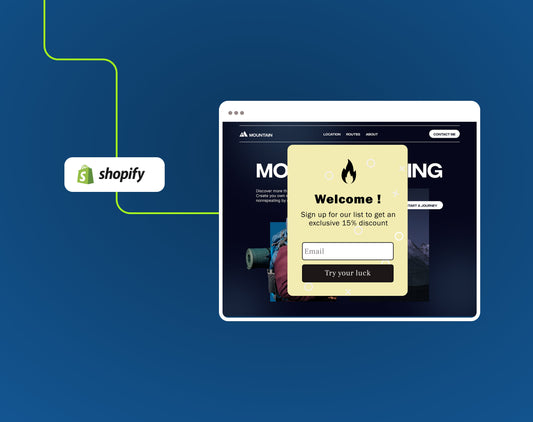
You can also add light gamification, like spin-to-win wheels or mystery discounts. These keep
the users engage longer and increase the chance they’ll buy.
3. Optimize Everything for Mobile
In 2025, more than 70% of flash sale traffic comes from mobile devices. If your site isn’t mobile-friendly, you’re losing money.
Your “Add to Cart” button should be easy to tap with one thumb. Checkout should be smooth, fast, and never require zooming in. If buying feels annoying on mobile, people will leave—no matter how good the deal is.
Phase 4: Operations & Fulfillment
Marketing gets the orders. Operations decide whether customers stay happy—or leave angry.
Don’t Oversell
Selling more stock than you actually have is one of the fastest ways to damage trust. If you sell 1,000 units but only have 500 in inventory, you’ll be issuing refunds and dealing with negative reviews.
The fix is simple: use an inventory system that updates in real time across all channels—your website, Amazon, and social shops.
Set Clear Shipping Expectations
Flash sales often mean 5x or 10x your usual order volume. That slows down fulfillment.
Be upfront about it. Add a message at the checkout say like:
“Due to high demand, orders may take an extra 3–5 days to ship.”
Clear communication now saves you from support complaints later.
Boost Revenue with Smart Free Shipping
Free shipping is a powerful upsell tool. If your AOV is $50, you can offer free shipping at $75. Many shoppers often add one more item just to hit that threshold. This increases your AOV without extra ad spend.
3 Mistakes That Can Kill a Flash Sale
Avoid these common traps:
1. Flash Sale Fatigue
If you run a “flash sale” every weekend, the customers will stop taking them seriously and wait for discounts.
Fix: Limit big flash sales to once per quarter.
2. The Site Crash
If your site fails during peak traffic, you wil lose sales you can’t get back.
Fix: Always Load-test your website at least 48 hours before launch.
3. Attracting Low-Value Buyers
Some customers only show up for extreme discounts and never return.
Fix: Set up automated post-purchase emails. Tell your brand story, show your best products, and slowly introduce full-price offers after the sale.
Conclusion: Turn Traffic Spikes into Long-Term Growth
A flash sale is a powerful tool—but it’s not a business model. It’s a way to boost revenue fast, clear inventory, and bring in new customers.
The real value comes after the sale. How you follow up with new buyers, analyze the data, and improve your systems will decide your long-term growth.
Ready to plan your next high-impact flash sale?
At Nivara Commerce, we help eCommerce brands build high-converting websites, smart CRO strategies, and scalable infrastructure.
Don’t just run a sale—run it right.
[Contact Nivara Commerce Today]